A step-by-step guide to the fifth pillar of Islam — rituals, requirements and preparation.
Hajj (حَجّ) is the annual Islamic pilgrimage to Makkah, obligatory once in a lifetime upon every adult Muslim who is physically and financially capable (Istita'ah). It takes place during the last Islamic month, Dhul Hijjah, from the 8th to the 13th day, and involves a series of rituals performed at Makkah, Mina, Arafat and Muzdalifah, commemorating the trials of Prophet Ibrahim (AS), his wife Hajar, and son Ismail (AS).
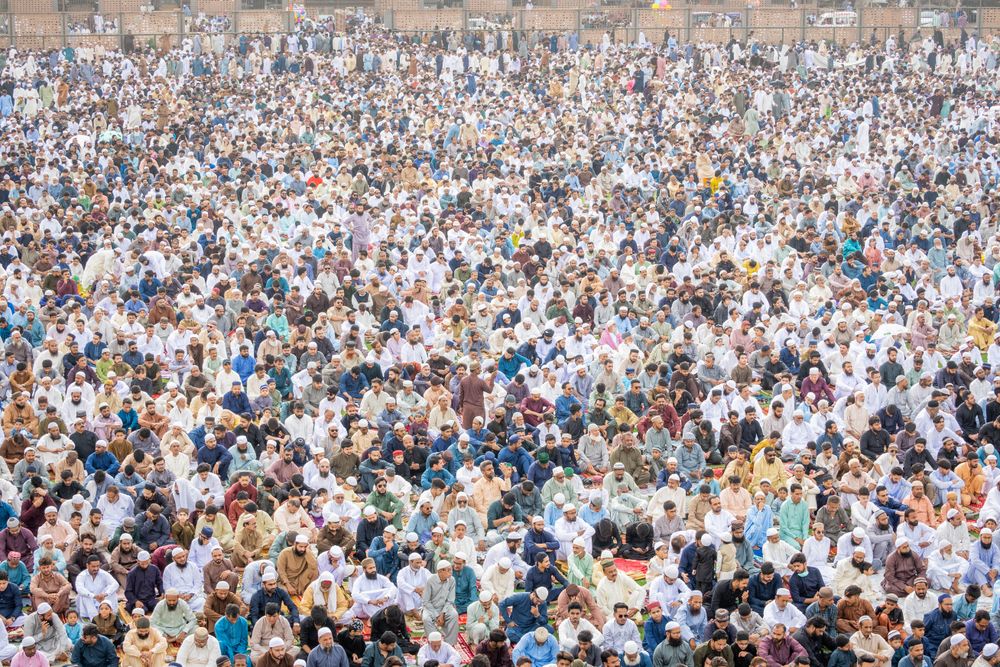
As one of the Five Pillars of Islam, Hajj is a profound spiritual, physical and communal journey — uniting millions of Muslims from around the world in a single act of worship, equality and submission to Allah.
Must be a sane, adult Muslim (Baligh)
Able to afford travel without debt or hardship to dependents
Reasonably fit to endure the physical demands of Hajj
Processed via government scheme or approved Hajj Group Organizer
Pilgrims enter Ihram, make the intention for Hajj, and travel to Mina, spending the day and night in worship and reflection.
The most important day of Hajj. Pilgrims travel to the plains of Arafat and stand in prayer (Wuquf) from noon until sunset — the core pillar of Hajj. Missing Wuquf at Arafat invalidates the Hajj.
After sunset, pilgrims travel to Muzdalifah to pray Maghrib and Isha combined, and spend the night in the open, collecting pebbles for the following days' Ramy (stoning).
Pilgrims return to Mina to perform Ramy al-Jamarat (stoning the largest pillar, Jamarat al-Aqaba), offer the Qurbani (sacrifice), shave or trim the hair (Halq/Taqsir), and then travel to Makkah to perform Tawaf al-Ifadah and Sa'i.
Pilgrims remain in Mina, performing Ramy at all three Jamarat (small, medium and large) each day after Zuhr, continuing dhikr and worship.
Before departing Makkah, pilgrims perform a final Tawaf around the Kaaba as a farewell to the Sacred House, marking the completion of Hajj.
Drink Zamzam water regularly, especially during Arafat and Mina, to avoid heat exhaustion.
Crowds are immense — always note your group leader's contact and camp/tent number in Mina.
Use an umbrella, wear light-colored Ihram, and rest during peak sun hours where possible.
Wear broken-in sandals and carry blister plasters — you will walk many kilometers daily.
Keep our 24/7 support number and the Saudi emergency helpline saved in your phone.
Hajj tests patience — approach delays and crowds with sabr (patience) and prayer.
Government scheme & private Hajj packages with verified accommodation in Makkah, Madinah, Mina and Arafat.